The narrative for a long time has been that bartering is something people used to do before money was invented. Something quaint and pre-modern. Interesting historically, not really relevant now.
That narrative is falling apart. Bartering is genuinely coming back, and not as a nostalgia project. It is coming back because a bunch of practical pressures are pushing people toward it, and because technology finally makes it work at scale.
Here is what is actually driving it.
The cost pressure is real
Inflation over the past several years hit essentials hardest. Food, energy, housing, insurance, healthcare, education. These are the things people cannot cut back on much, and they have all gotten meaningfully more expensive.
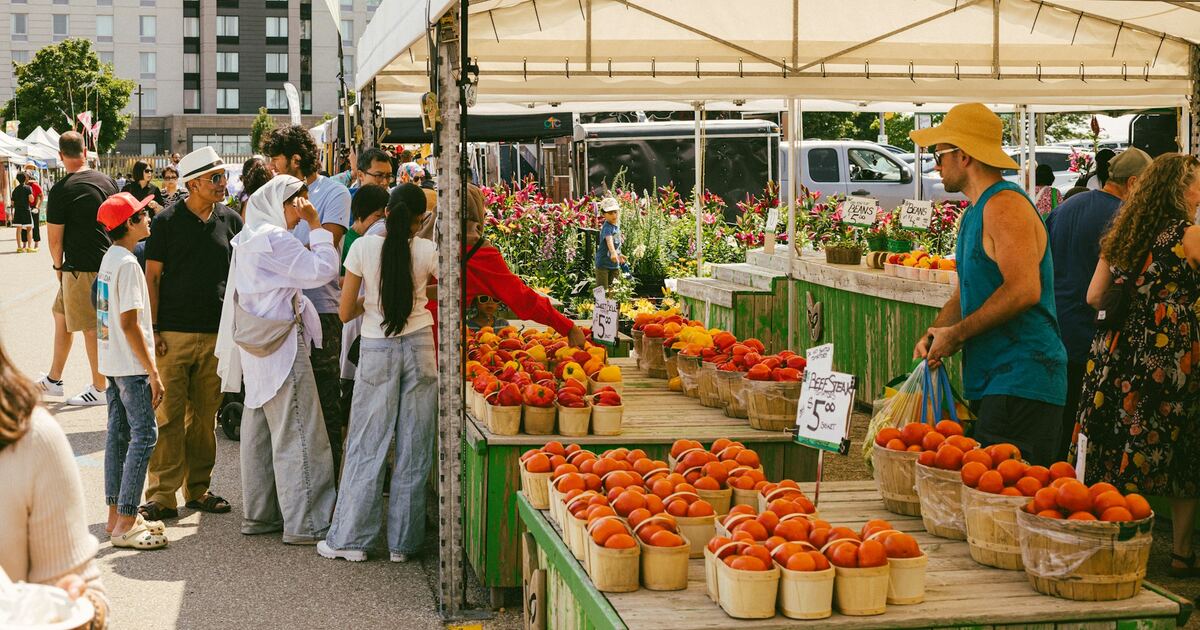
When you cannot cut your fixed costs, you look for ways to acquire the things you need without spending cash. Bartering is one of those ways. Trading eggs for firewood, a repair job for a haircut, a piece of unused equipment for a week of meals: none of these show up in inflation statistics because no money changed hands. But the value exchanged is real.
We see this reflected in trading activity that spikes right at the times cash gets tightest for households.
The stuff problem
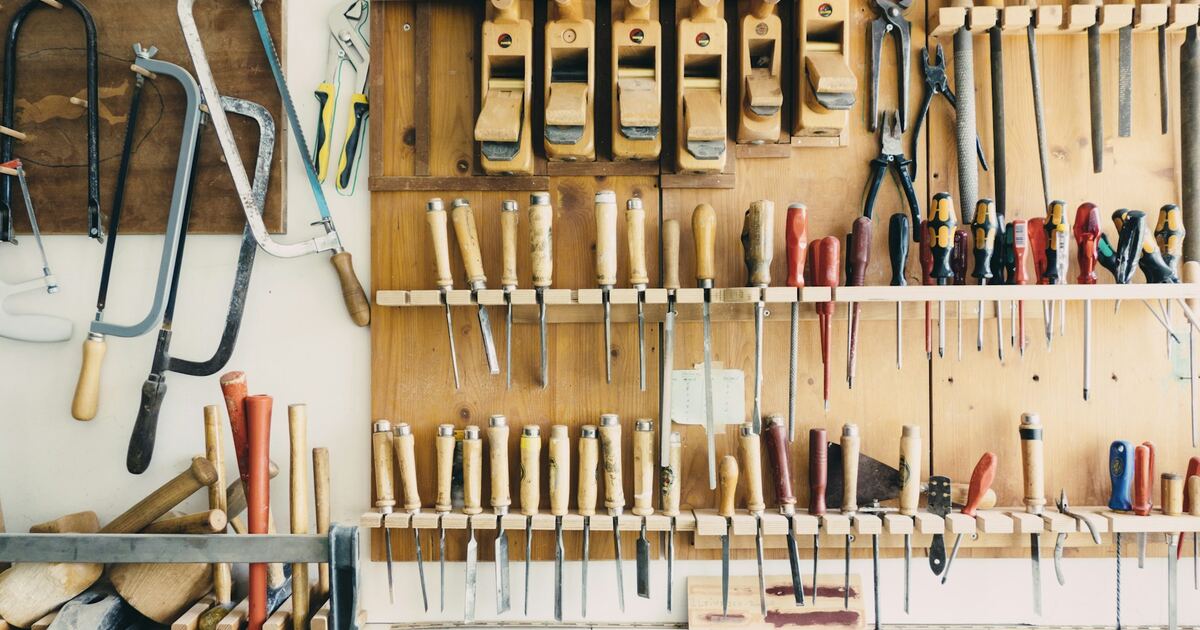
The average American home has more stuff in it than at any point in history, and much of it is not being used. Garages full of half-completed hobby projects. Basements packed with boxes. Closets of clothing that has not been worn in years.
Selling that stuff on Marketplace or Craigslist works but is a lot of individual transactions for small returns. Donating it feels wasteful of value. Bartering it turns idle stuff into things you actually want, which is a much more satisfying outcome.
The stuff problem has been building for two decades. Bartering apps just finally offer a good way to solve it.
Trust in institutions is down, trust in neighbors is up
There is a genuine sociological shift happening. Broad institutional trust (government, media, corporations) is at generational lows. Meanwhile, local and interpersonal trust is holding steady or increasing in a lot of places.
Bartering is fundamentally a peer-to-peer transaction. It works because you trust the person you are trading with, not because a big institution guarantees the transaction. In a moment where people are more skeptical of intermediaries and more interested in direct relationships, bartering fits the mood.
The sharing economy paved the way
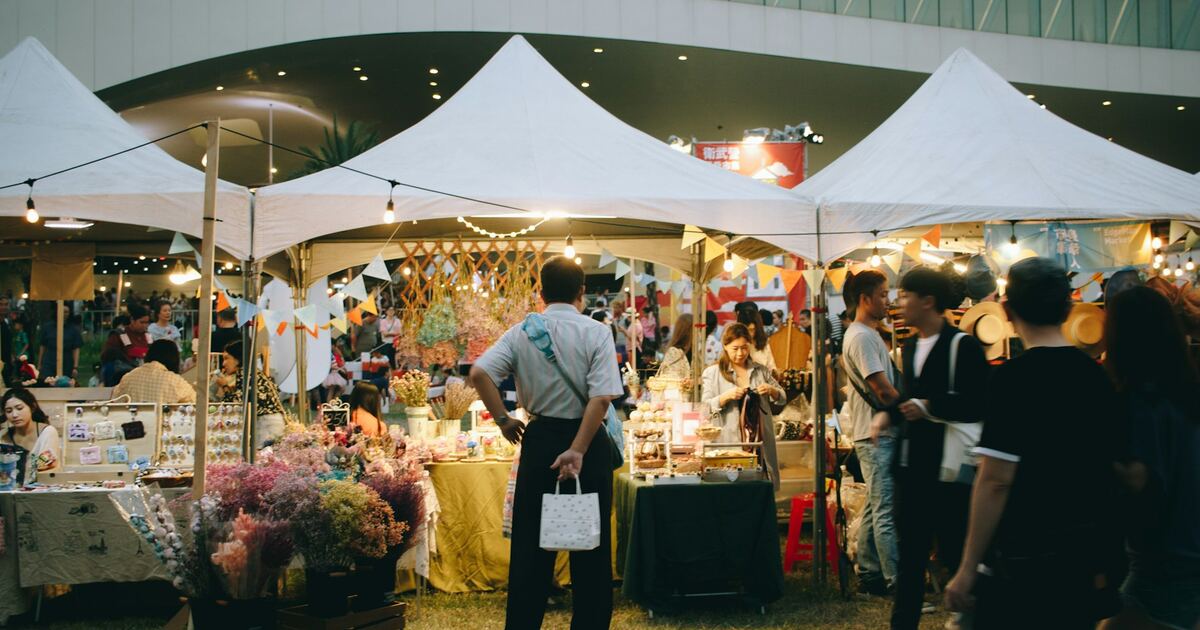
Uber, Airbnb, TaskRabbit, and dozens of others normalized the idea of trading with individuals through an app. Whether you love or hate those companies, they built the muscle memory. People now expect to be able to pull out their phone and coordinate a transaction with a stranger without going through a store.
Bartering apps benefit from that expectation. The user interface, the reviews, the messaging: all of it is familiar from other contexts. What changed is that we are now applying it to trade instead of just paid services.
Preparedness is mainstream now
Ten years ago, preparedness was a niche interest. Today, some form of it is broadly mainstream. Not necessarily deep bunker prepping, but the general recognition that supply chains can hiccup, that grocery store shelves can empty, and that having a local network of people you can rely on has value.
Bartering is a preparedness practice whether or not you frame it that way. If you have a working trade relationship with a rancher, a farmer, a mechanic, and a nurse in your area, you are more resilient than someone who does not, regardless of what happens to any given system.
That framing has moved from the edges into the middle over the last few years.
Technology finally caught up
The reason bartering did not scale in the 2010s was not that people did not want it. It was that the tools did not work well. Craigslist has a barter section but the interface is not built for it. Facebook Marketplace does not support skill or service trades cleanly. Older barter-specific apps had small user bases in individual cities.
We built Smart Barter because we thought the tools should match the transaction. Structured listings for the four types of trade (Goods, Equipment Rental, Skills, Experiences). A messaging system built for negotiating trade terms. Reviews and reputation tied to your actual trade history. Location filtering that makes local matches easy.
That kind of infrastructure is what turns bartering from a fun idea into a real, repeatable practice. And it is what makes the comeback actually sustainable.
What comes next
We think the next few years will see bartering shift from something people do occasionally to something that becomes a regular part of how a lot of households operate. Not replacing money entirely. But taking a real share of transactions that used to happen in cash.
The math works. The tools work. The cultural pressures are aligned. And there is a growing group of people who have discovered that trading with their neighbors is not just economically useful but genuinely satisfying in a way that anonymous cash transactions are not.
If you have not tried it, this is a good moment to start.
Download Smart Barter free on iOS or on Google Play and see for yourself.
Related:
- Building a Local Trade Network When You Feel Like You Have Nothing to Offer
- Local Bartering vs Facebook Marketplace: Which Is Right for You?